Shocking Viral Videos: Latvians Paint Their Faces Brown and Mock Indian Delivery Drivers in Outrageous Festival Parade
Videos from a small-town festival in Latvia have exploded across social media, sparking fury and accusations of blatant racism against Indians and other migrants.
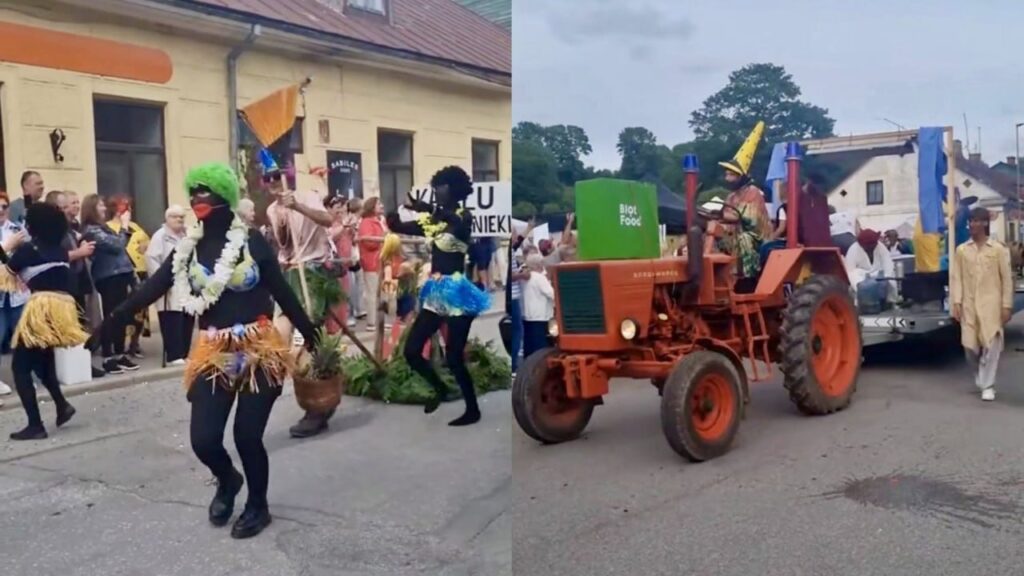
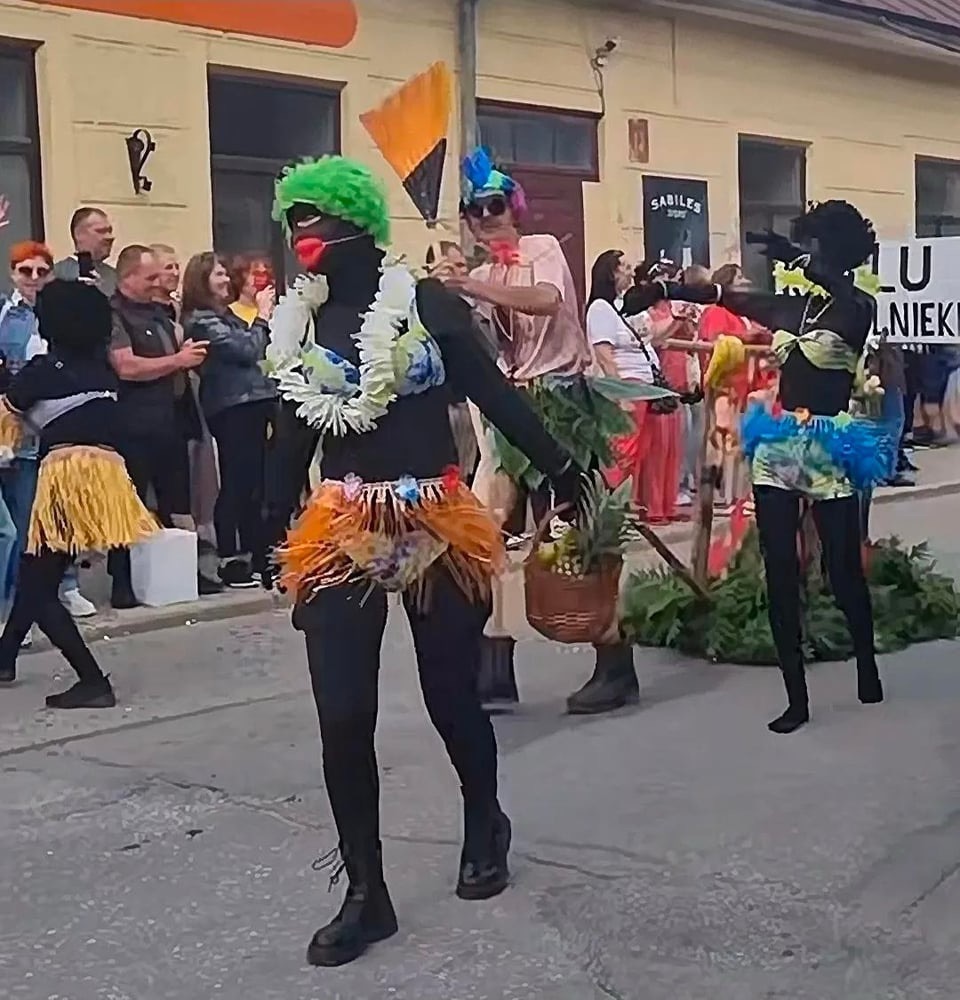
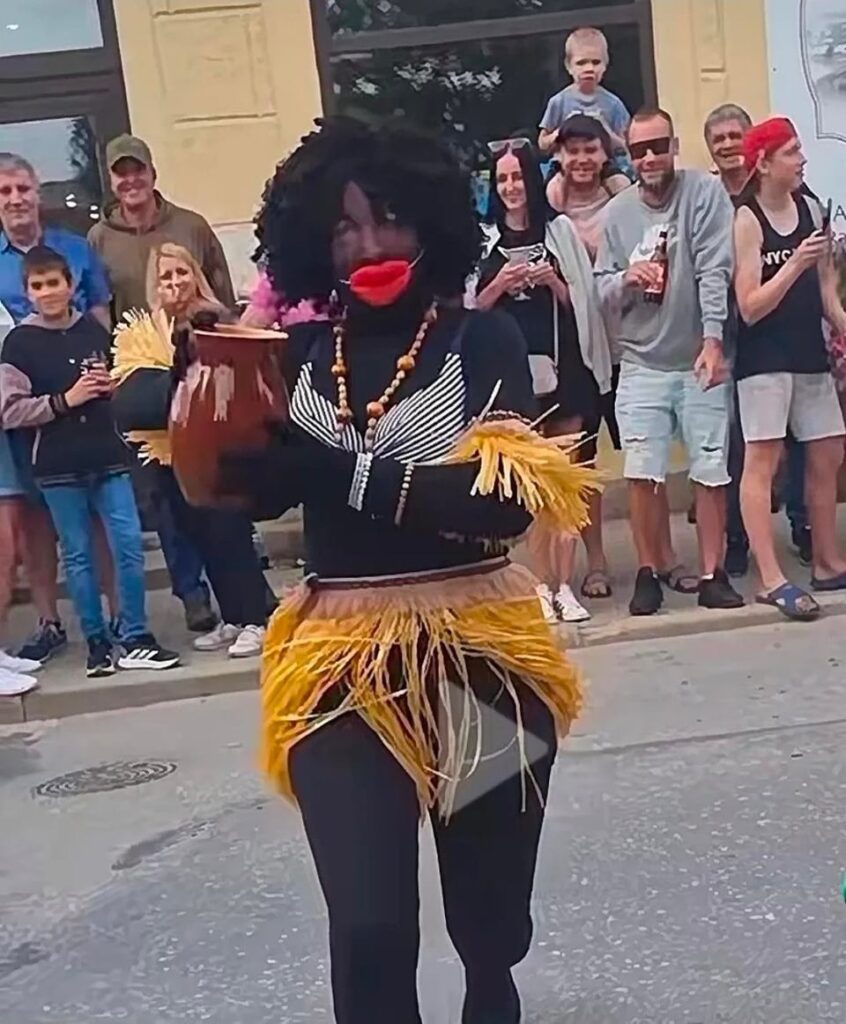
At the annual Sabile Wine Festival held on July 25–26, 2026, in the town of Sabile, participants in the traditional theatrical costume parade appeared with their faces painted brown or black. Many dressed up as Indian and South Asian food-delivery workers. They wore turbans, fake facial hair, and carried bags styled after popular delivery apps like Bolt Food. Some rode scooters, bicycles, or even tractors while acting out exaggerated scenes of preparing and delivering street food.
The festival is a long-running local celebration centered on wine, music, tastings, and a humorous costume procession that often pokes fun at everyday life, jobs, and current trends. This year the parade theme involved circus-style satire, but the specific costumes quickly drew intense criticism once the footage spread online.
International viewers and many in the Indian community slammed the displays as classic brownface and blackface mockery. Critics said it reduced real people-many of them students and legal workers in Latvia’s gig economy-to crude stereotypes. One Indian resident and content creator living in Latvia posted an emotional reaction video. He said he had been publicly praising the country, learning the language, and trying to fit in, only to see this. Calling it “absolute racism,” he expressed deep frustration and said the episode made him question whether people like him could ever truly belong.
Festival organizers responded with a public apology. They explained that the theatrical procession is an old tradition built on humor, self-irony, and creative takes on professions, daily situations, and stereotypes. They insisted there was never any intention to promote discrimination or intolerance. They apologized to anyone who felt offended and said they would review the principles of future parades to keep the event both witty and respectful.
The episode lands amid a larger backdrop. The number of Indian citizens in Latvia has grown sharply in recent years, reaching over 6,000. Many arrive as students in English-taught university programs and take jobs in food delivery, hospitality, and related sectors. This visibility has fueled political debate, with some nationalist voices criticizing immigration levels, “student” visas, and cultural change. Reports of housing discrimination, occasional harassment, and isolated attacks have also surfaced in recent years, though many Indians continue their studies and work without major problems.
Meanwhile, Latvia’s own population continues to shrink as significant numbers of Latvians leave the country. At the start of 2026 the population stood at about 1.845 million after another drop of roughly 15,500 people. In 2025 more people emigrated than immigrated, with over 15,000 departing (many heading to Germany and other EU countries) even as the outflow slowed from previous years. Hundreds of thousands of Latvian citizens already live permanently abroad, a long-running trend driven by better jobs and opportunities elsewhere that has deepened the country’s demographic crisis of low birth rates and an aging society.
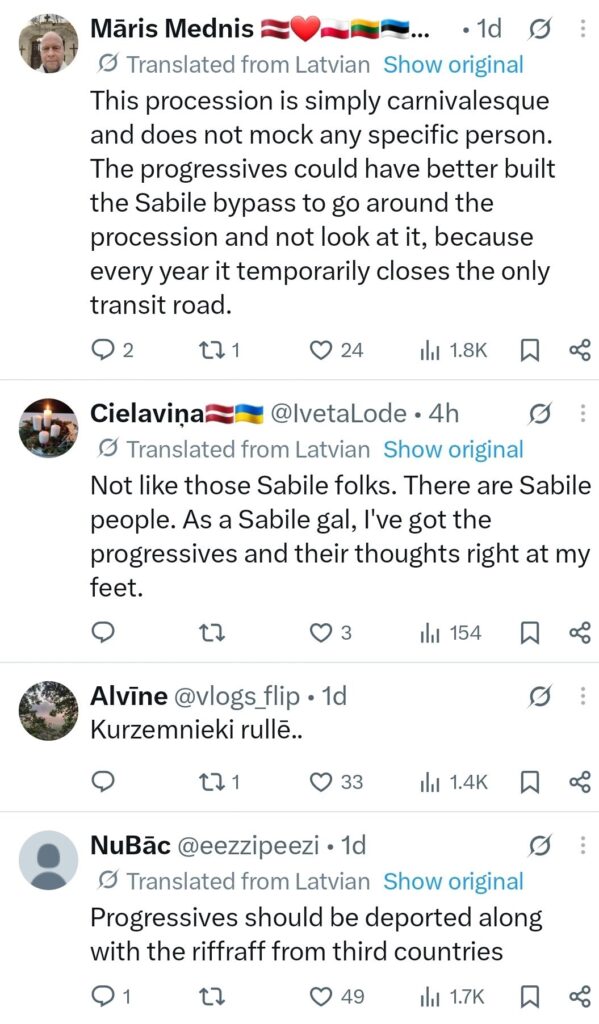
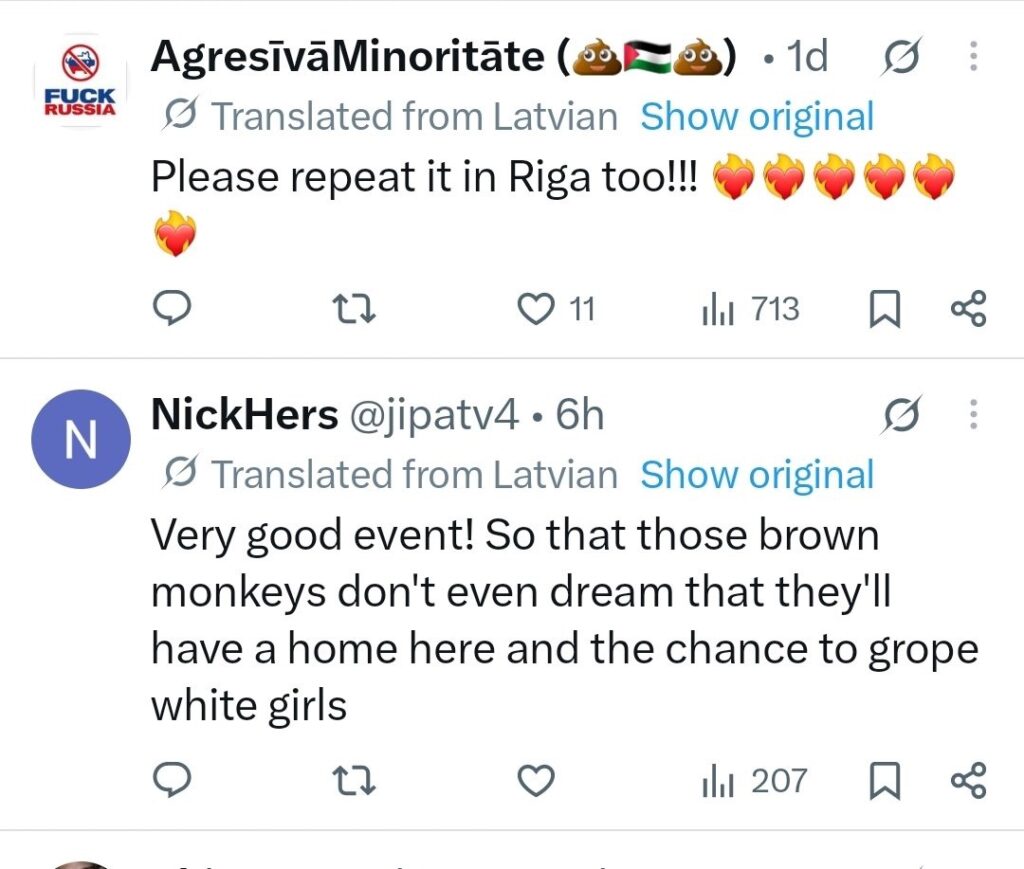
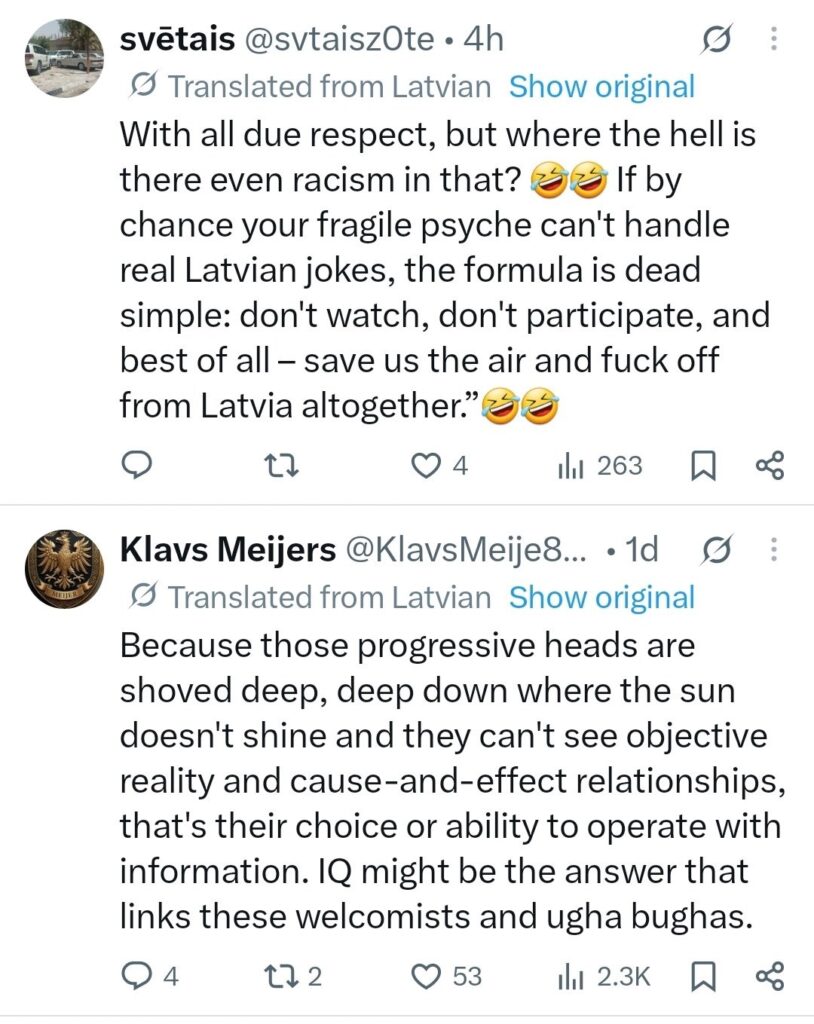
Latvia remains a relatively homogeneous country facing serious population decline, which intensifies local discussions about migration and identity. The Sabile videos have polarized opinion: some defend the costumes as harmless small-town carnival humor, while others see them as a public display of prejudice that damages the country’s image-especially as native Latvians keep heading for the exits.
As the clips continue to circulate, the controversy highlights ongoing tensions around race, immigration, demographics, and what counts as acceptable satire in modern Europe.